

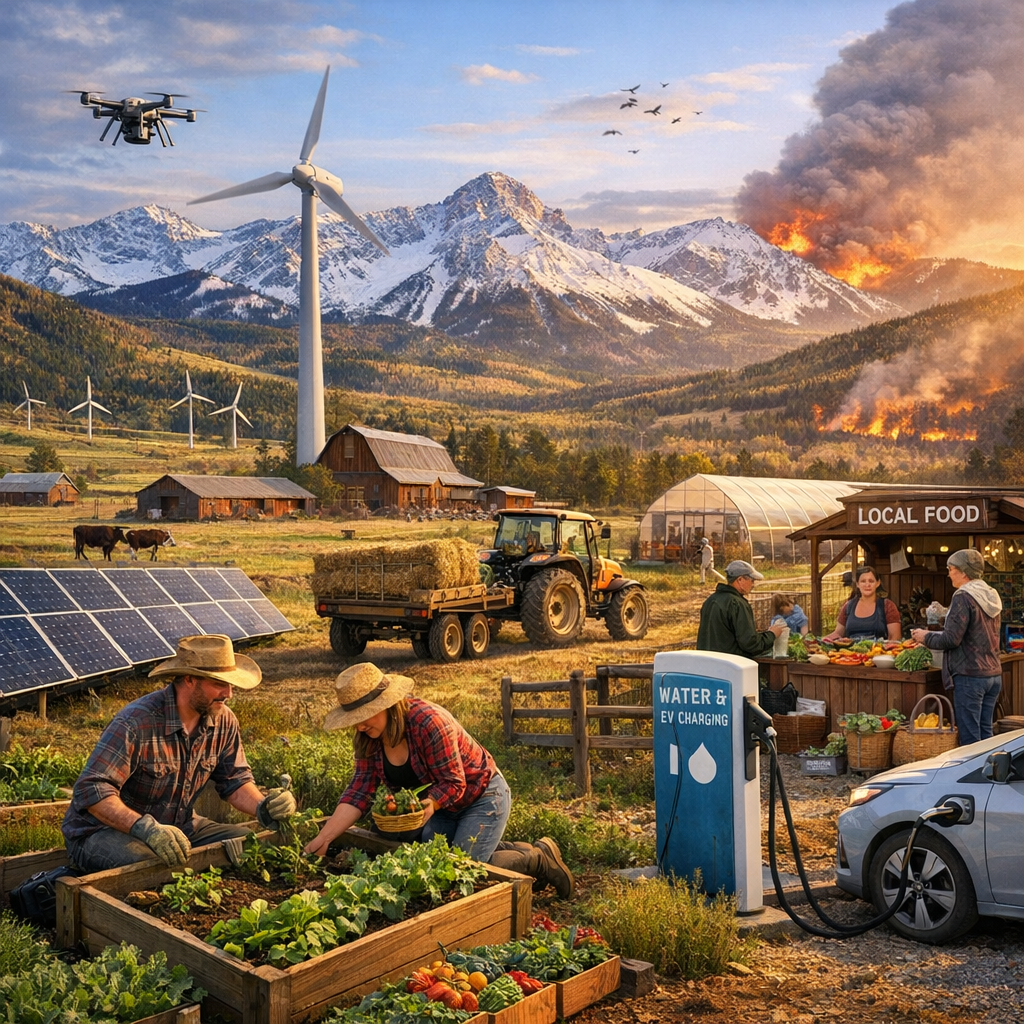
In our interconnected world, events unfolding thousands of miles away can have profound effects on rural communities like Del Norte, Colorado. Understanding these global influences is crucial for fostering resilience and ensuring the well-being of our local population.
Climate Change and Environmental Shifts
Climate change is a pressing global issue with tangible local consequences. Rural areas, including those in the Southeast United States, are particularly vulnerable due to their reliance on agriculture and natural resources. Rising temperatures and altered precipitation patterns can disrupt farming practices, leading to economic instability and food insecurity. Additionally, increased frequency of extreme weather events poses risks to infrastructure and livelihoods.
Economic Globalization and Trade Policies
International trade agreements and global market fluctuations directly impact rural economies. For instance, changes in tariffs or trade restrictions can affect the demand for locally produced goods, influencing prices and the viability of small farms and businesses. Staying informed about global economic trends is essential for rural communities to adapt and thrive.
Migration Patterns and Demographic Changes
Global events, such as conflicts or economic crises, can lead to shifts in migration patterns, affecting rural demographics. An influx of new residents can bring cultural diversity and economic opportunities but may also strain local resources and services. Conversely, outmigration due to local economic challenges can lead to population decline and reduced community vitality.
Health Crises and Pandemics
Global health emergencies, like pandemics, underscore the importance of robust healthcare infrastructure in rural areas. Limited access to medical facilities and healthcare professionals can exacerbate the impact of such crises. Strengthening local health systems and ensuring access to accurate information are vital steps in mitigating these challenges.
Building Local Resilience
To navigate the complexities of global influences, rural communities must focus on building resilience. This includes investing in sustainable practices, diversifying local economies, enhancing healthcare access, and fostering community engagement. By proactively addressing these areas, communities like Del Norte can better withstand and adapt to the ripple effects of global events.
Understanding the interconnectedness of global and local dynamics empowers rural communities to make informed decisions and cultivate a sustainable future amidst an ever-changing world.