

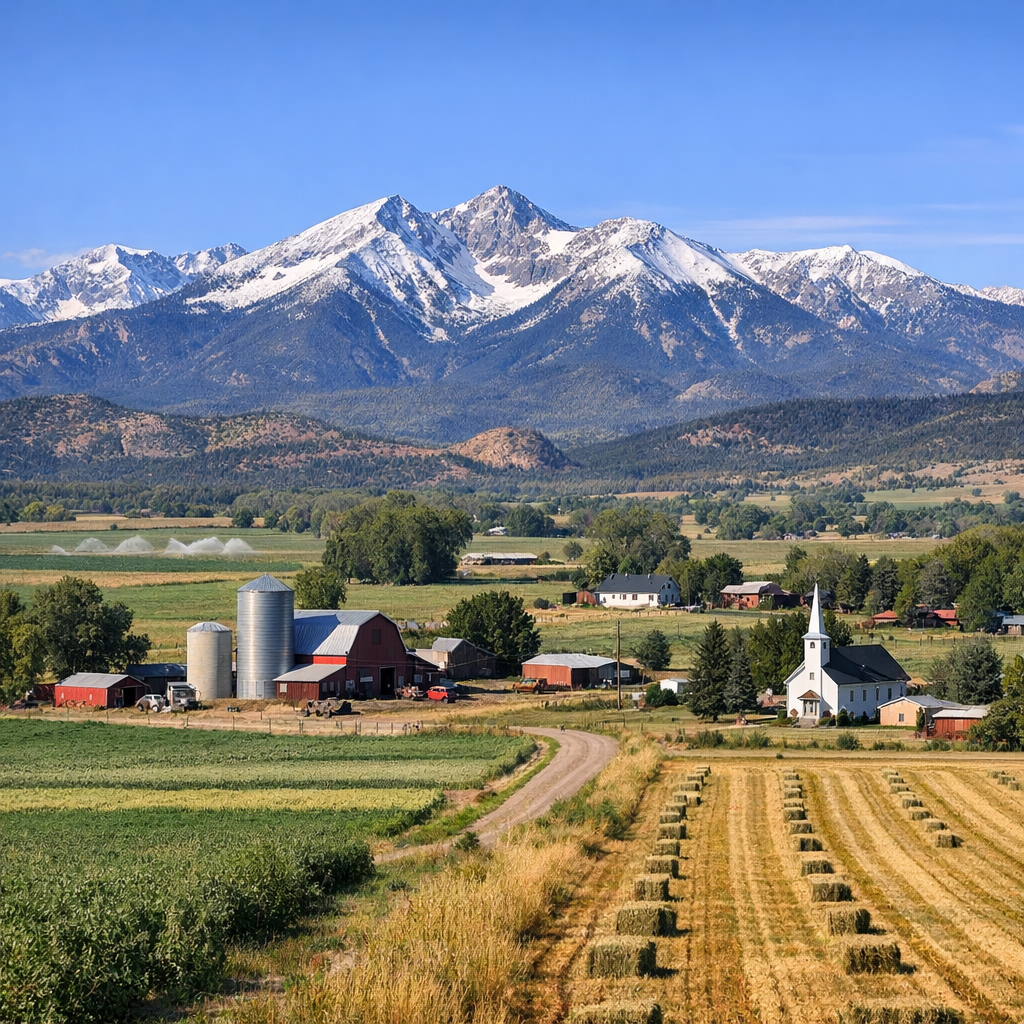
In our interconnected world, events unfolding thousands of miles away can have profound effects on rural communities like Del Norte, Colorado. Understanding these global-local connections is essential for building resilience and ensuring the well-being of our community.
Climate Change and Rural Vulnerability
Climate change is a pressing global issue with direct implications for rural areas. Increased frequency of extreme weather events, such as droughts and floods, can disrupt agriculture, the backbone of many rural economies. For instance, a United Nations report highlights that 74% of Latin American and Caribbean countries are highly exposed to extreme weather events, affecting food security. While this statistic pertains to another region, it underscores a global trend that can resonate with rural communities worldwide, including ours.
Economic Shifts and Agricultural Markets
Global economic fluctuations, including trade policies and market demands, influence agricultural markets. Changes in international trade agreements or economic downturns can affect commodity prices, impacting local farmers’ incomes. Staying informed about these global economic trends is crucial for rural communities to adapt and plan accordingly.
Health Crises and Rural Healthcare
Global health crises, such as pandemics, can strain rural healthcare systems. Limited resources and healthcare infrastructure in rural areas make it challenging to respond effectively to widespread health emergencies. Strengthening local healthcare facilities and ensuring access to medical supplies are vital steps in preparing for such global health challenges.
Building Local Resilience
While global events are beyond our control, proactive measures can enhance our community’s resilience. Diversifying local economies, investing in sustainable agricultural practices, and strengthening community networks can mitigate the adverse effects of global disruptions. Additionally, fostering education and awareness about global issues empowers residents to make informed decisions and advocate for policies that support rural communities.
By recognizing the interconnectedness of global events and local realities, communities like Del Norte can navigate challenges and seize opportunities in an ever-changing world.