

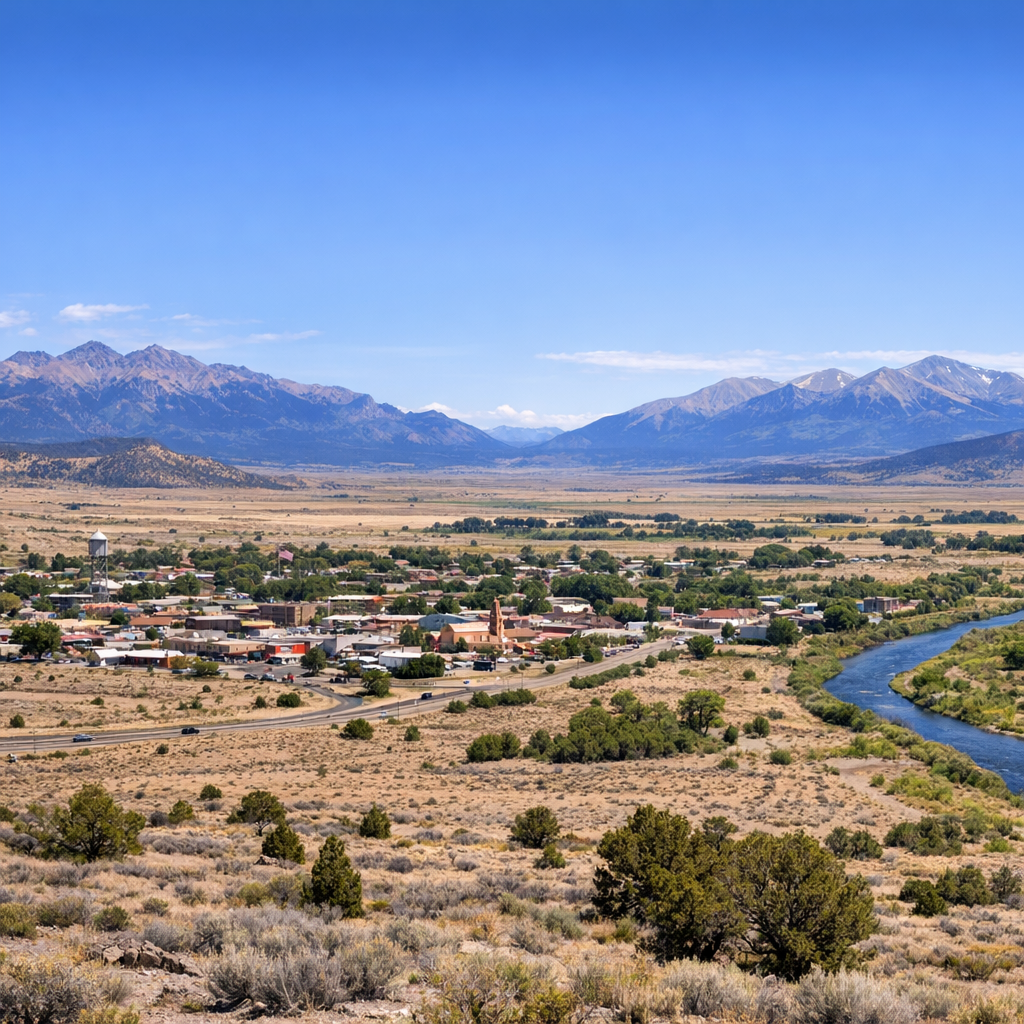
Del Norte, Colorado, situated in the San Luis Valley, experiences a semi-arid climate with distinct seasonal variations. Understanding these patterns is essential for residents and visitors alike.
Temperature Variations
Throughout the year, Del Norte’s temperatures fluctuate significantly. Winters are cold, with average lows around 9°F in January, while summers are warm, with average highs reaching 78°F in July. This range is typical for high-altitude desert climates.
Precipitation Patterns
Annual precipitation averages approximately 10 inches, with variations depending on the year. The town’s location in the rain shadow of the San Juan Mountains contributes to its relatively low rainfall. Most precipitation occurs as rain or snow, with July and August being the wettest months due to summer monsoons.
Seasonal Characteristics
Spring often brings gusty winds and some of the year’s most substantial snowstorms. Summers are marked by warm days and cooler nights, with afternoon thunderstorms common during the monsoon season. Autumn sees a gradual cooling, while winters are characterized by clear skies and cold temperatures.
Environmental Considerations
The semi-arid conditions and temperature extremes influence local agriculture and water resource management. Residents are encouraged to practice water conservation and stay informed about weather forecasts, especially during transitional seasons when conditions can change rapidly.
By understanding Del Norte’s unique climate, the community can better prepare for and adapt to the environmental conditions that define the region.