

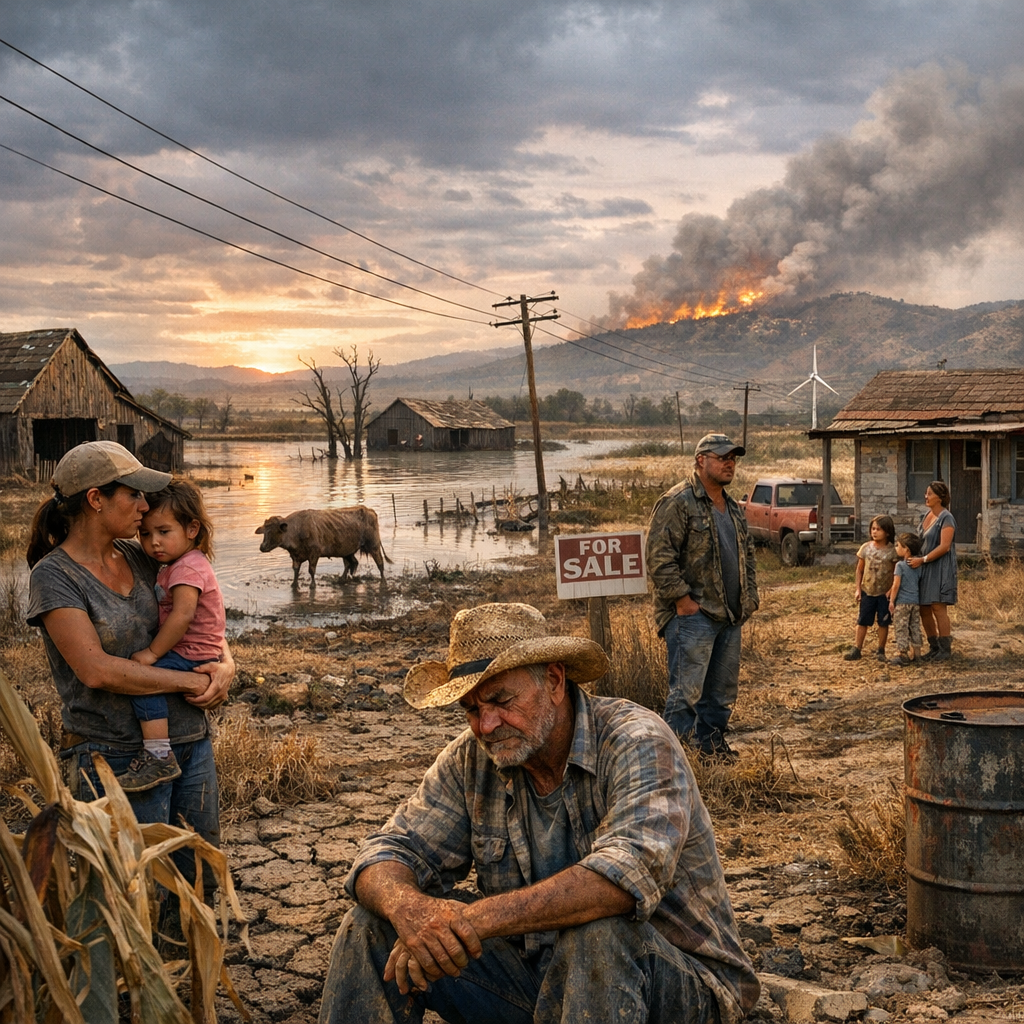
Rural communities worldwide are increasingly affected by global challenges such as climate change, economic shifts, and health crises. These issues not only threaten the livelihoods of those in rural areas but also have broader implications for global stability and sustainability.
Climate Change and Rural Vulnerability
Climate change disproportionately impacts rural regions, where agriculture is often the primary livelihood. In Eastern and Southern Africa, for instance, severe water crises have left nearly 116 million people without safe drinking water, exacerbating food insecurity and poverty.
Economic Shifts and Rural Livelihoods
Global economic fluctuations, including rising costs of food, fertilizer, and fuel, have placed additional burdens on rural populations. The International Fund for Agricultural Development (IFAD) highlights that these converging crises threaten the livelihoods of small-scale producers and the sustainability of rural economies.
Health Crises and Rural Communities
Health emergencies often hit rural areas hardest due to limited access to healthcare services. Recent global health crises have underscored the vulnerability of marginalized communities, including those in rural settings, to disease outbreaks and inadequate medical infrastructure.
Migration Pressures on Rural Areas
Rural regions bear significant burdens related to migration, both in terms of outmigration and hosting displaced populations. The Food and Agriculture Organization (FAO) notes that rural areas are at the forefront of migration pressures, which can strain local resources and social structures.
Global Initiatives for Rural Development
Recognizing these challenges, the United Nations declared July 6 as World Rural Development Day, emphasizing the need for integrated approaches to empower rural communities and achieve sustainable development goals.
Addressing the multifaceted challenges faced by rural communities requires coordinated global efforts and policies that prioritize the resilience and sustainability of these vital regions.